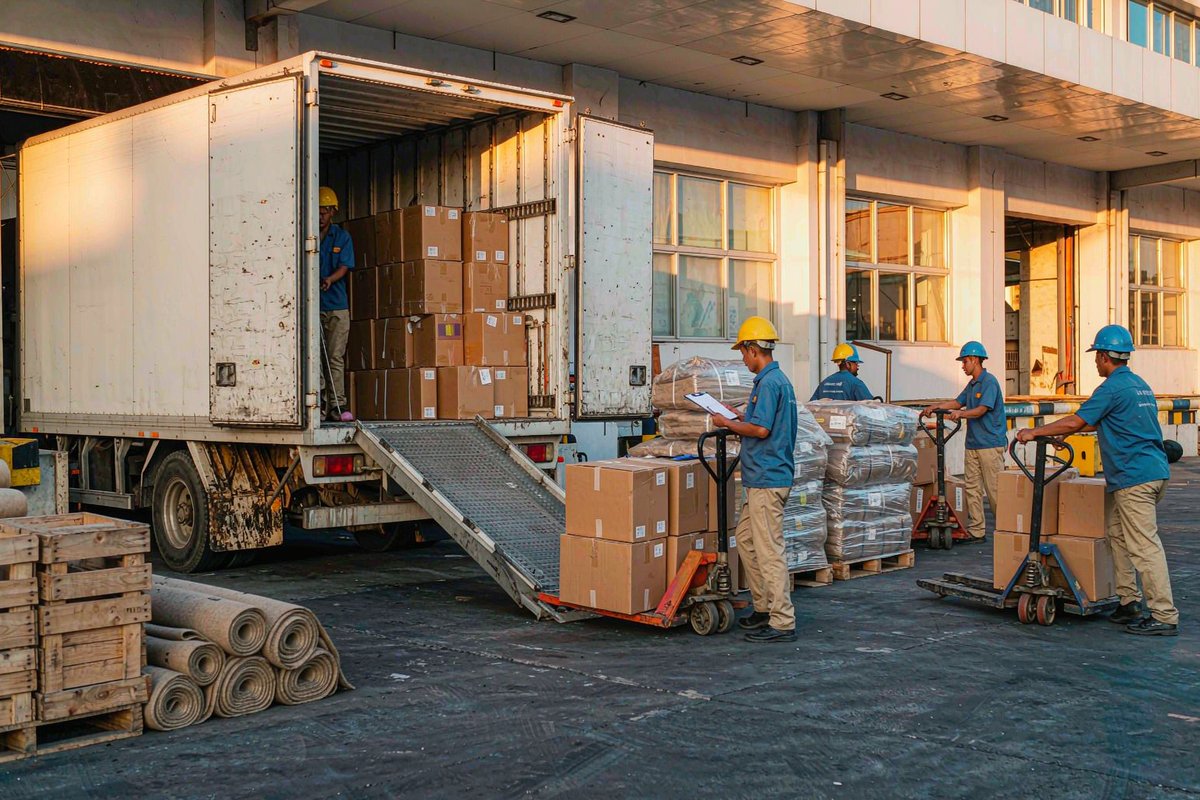
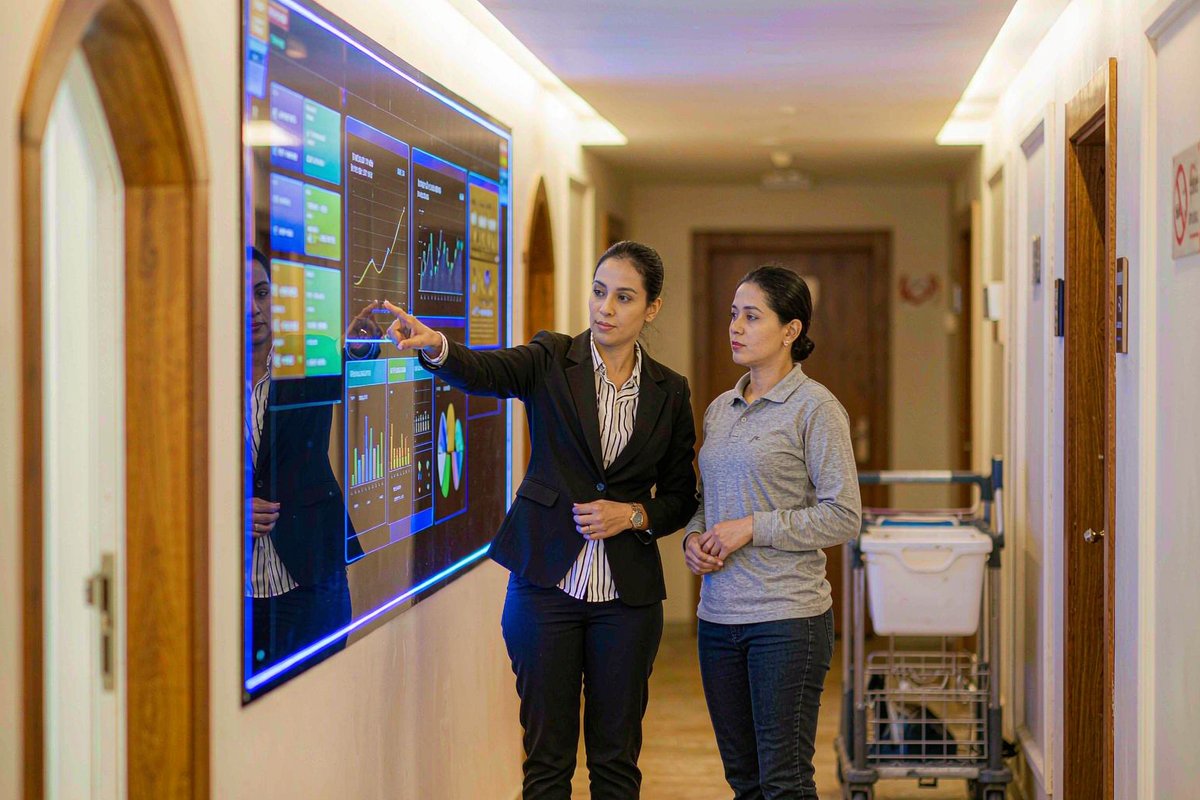
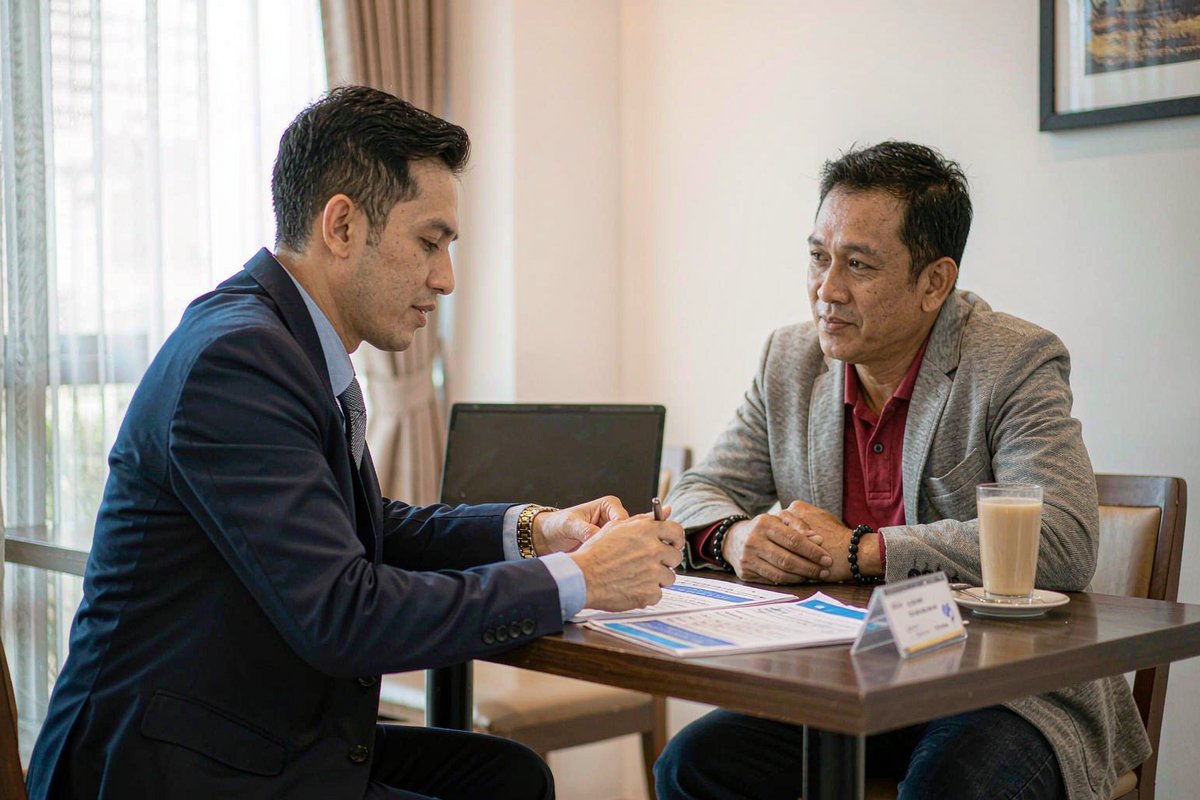
Backed by the proven operating system of 18,200+ Jin Jiang hotels worldwide and a 200-million-member traffic pool, we work with strategic partners such as Malaysia's RIYAZ Group to deliver 180 hotel projects across Southeast Asia within five years — through brand export, localised operations and supply-chain globalisation.
Source: Jin Jiang Hotels (China) official website, as of 31 December 2025
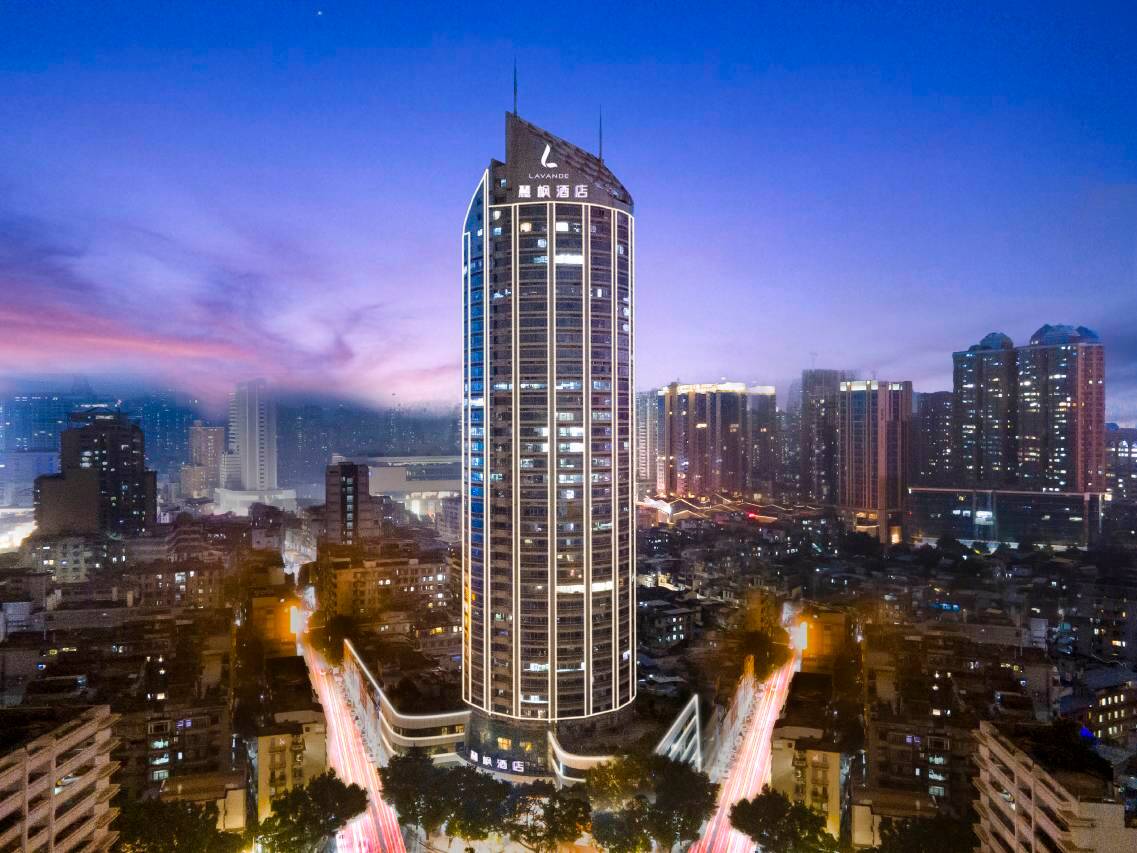


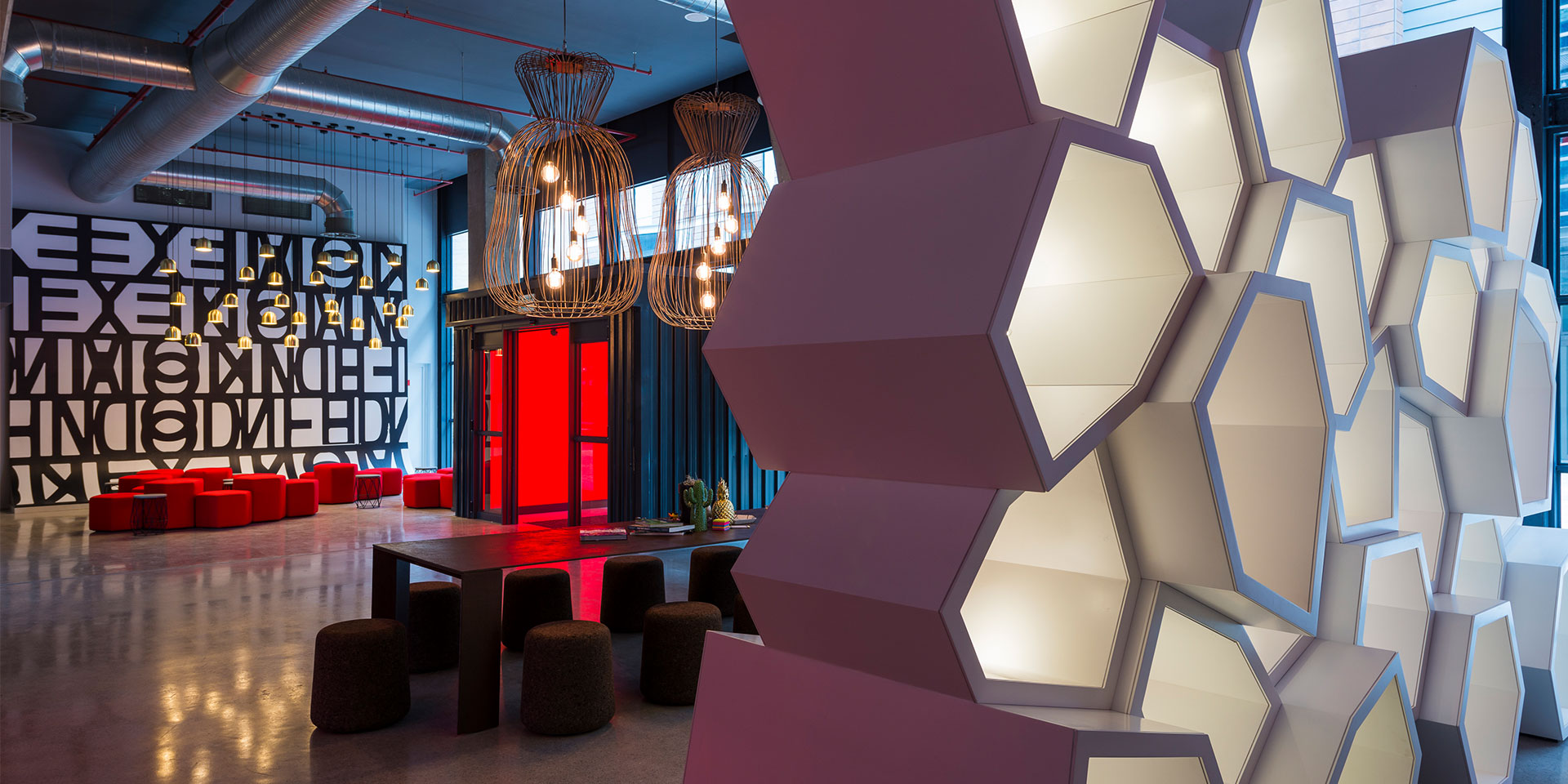
The same property in the same city — choosing a different “brand operating system” means choosing a different return curve.
The brand operating system of the world's second-largest hotel group
The hard reality of the traditional owner-operator model

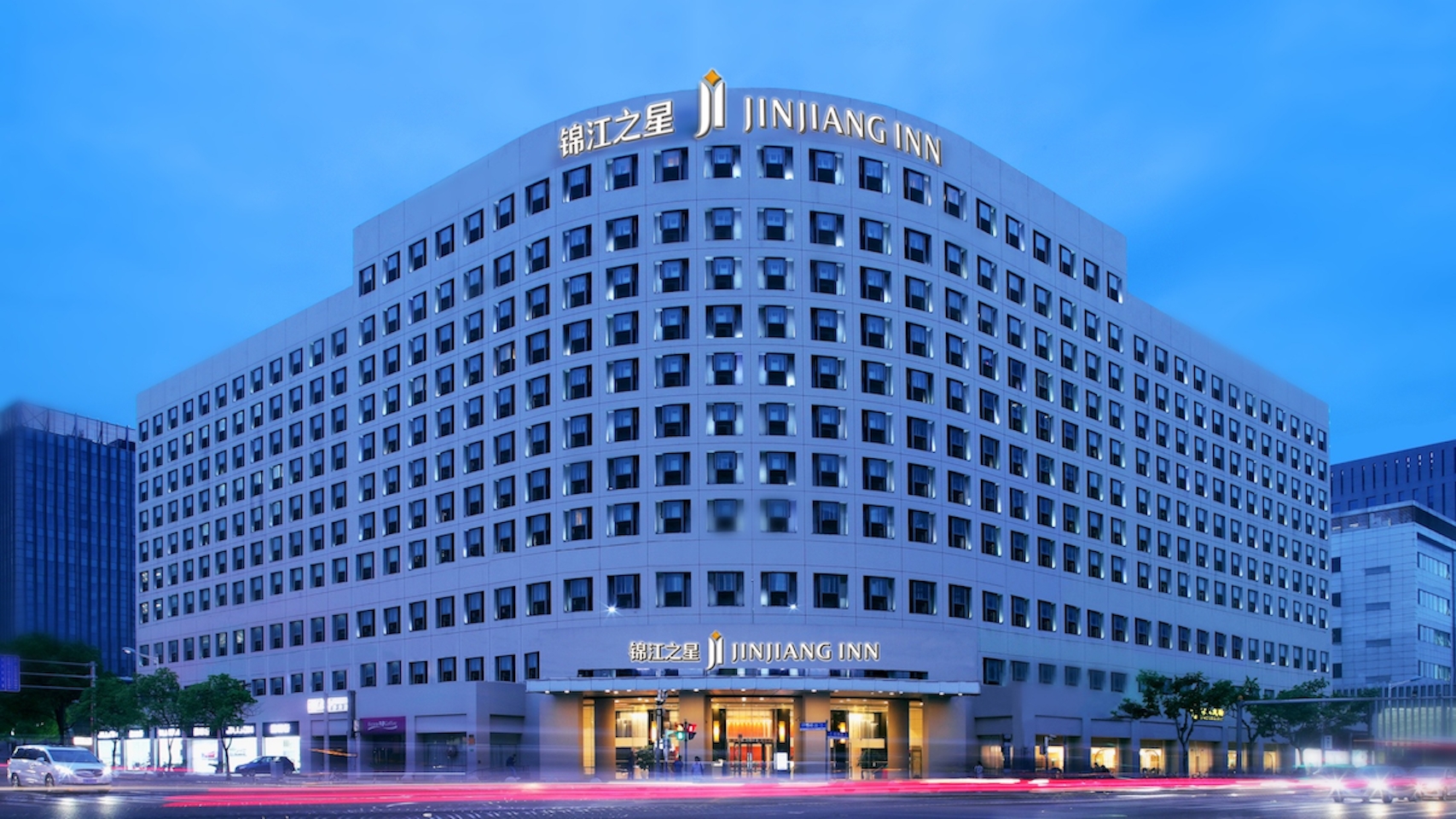
China's first economy chain hotel and the pioneer of standardisation, refreshed with the “Warm Star” concept — the ideal entry product for going global.

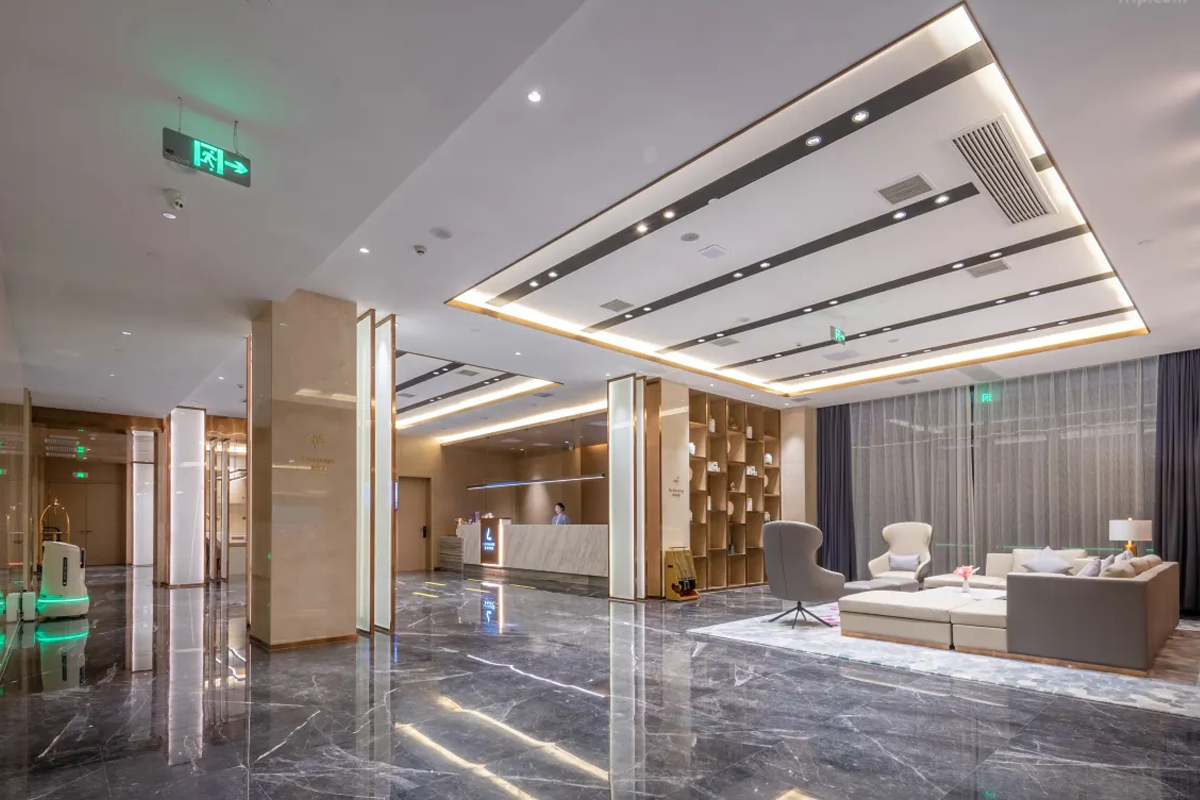
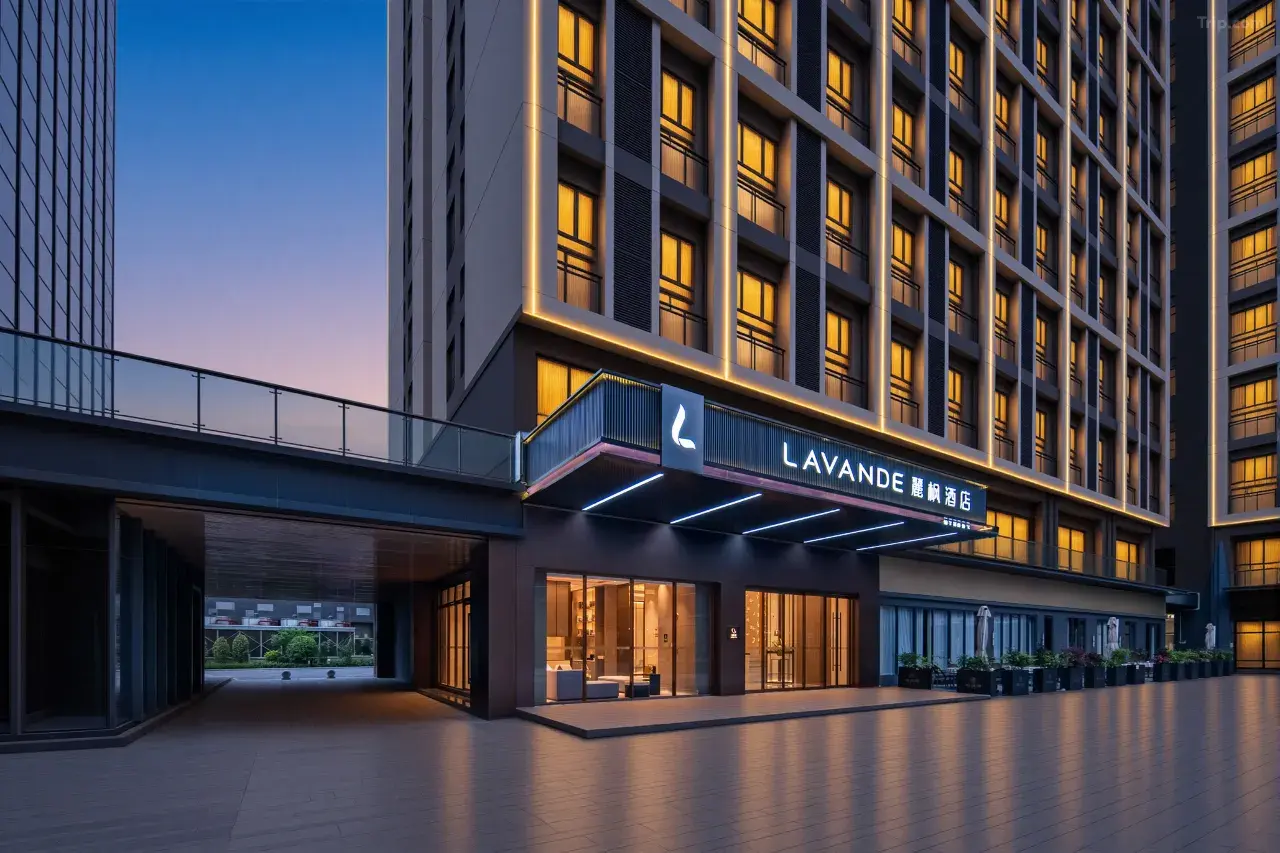
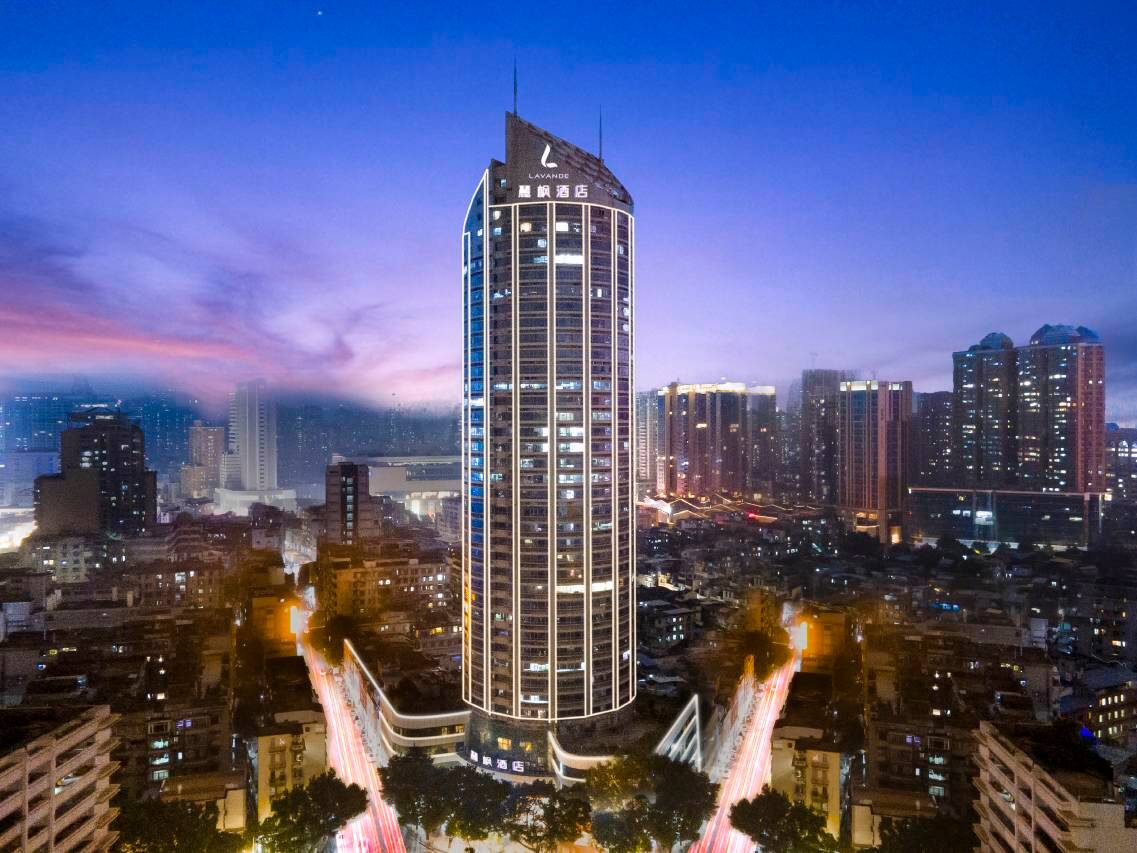
Lavender motifs and aroma culture — the “Naturally at Ease” midscale flagship, proven across more than 1,200 hotels in China.

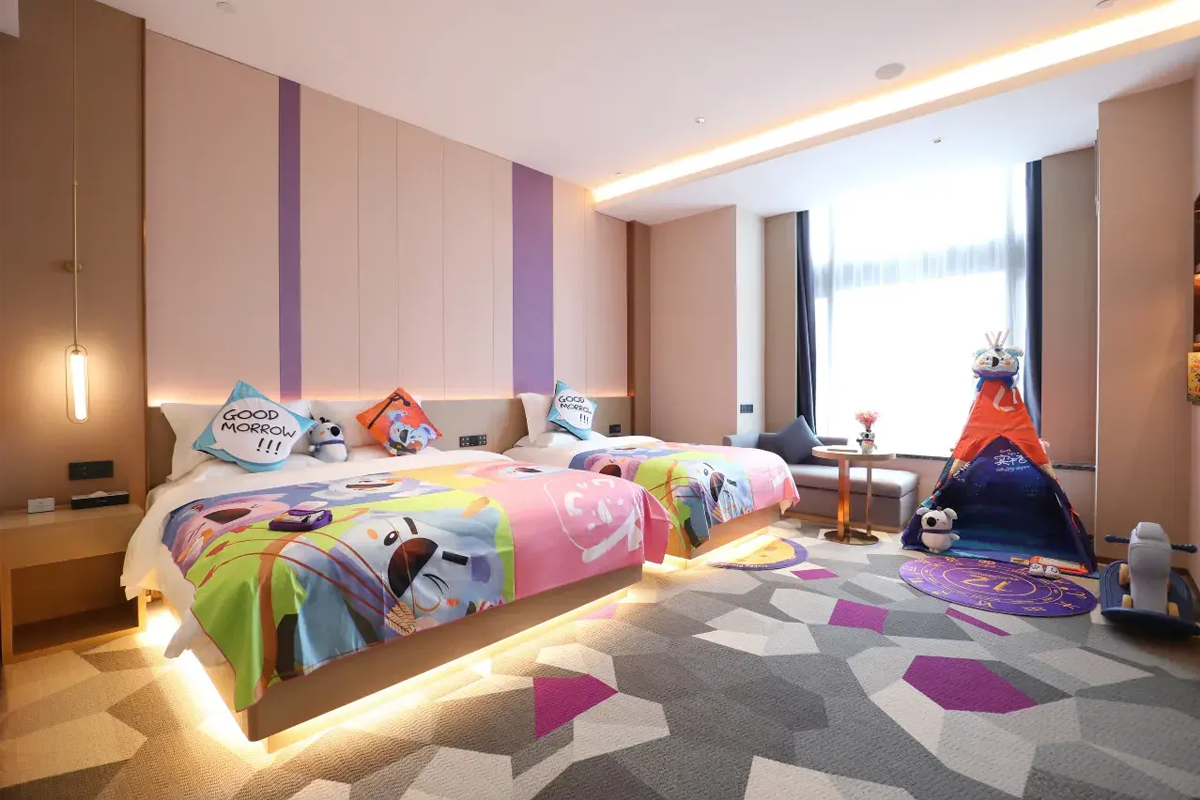
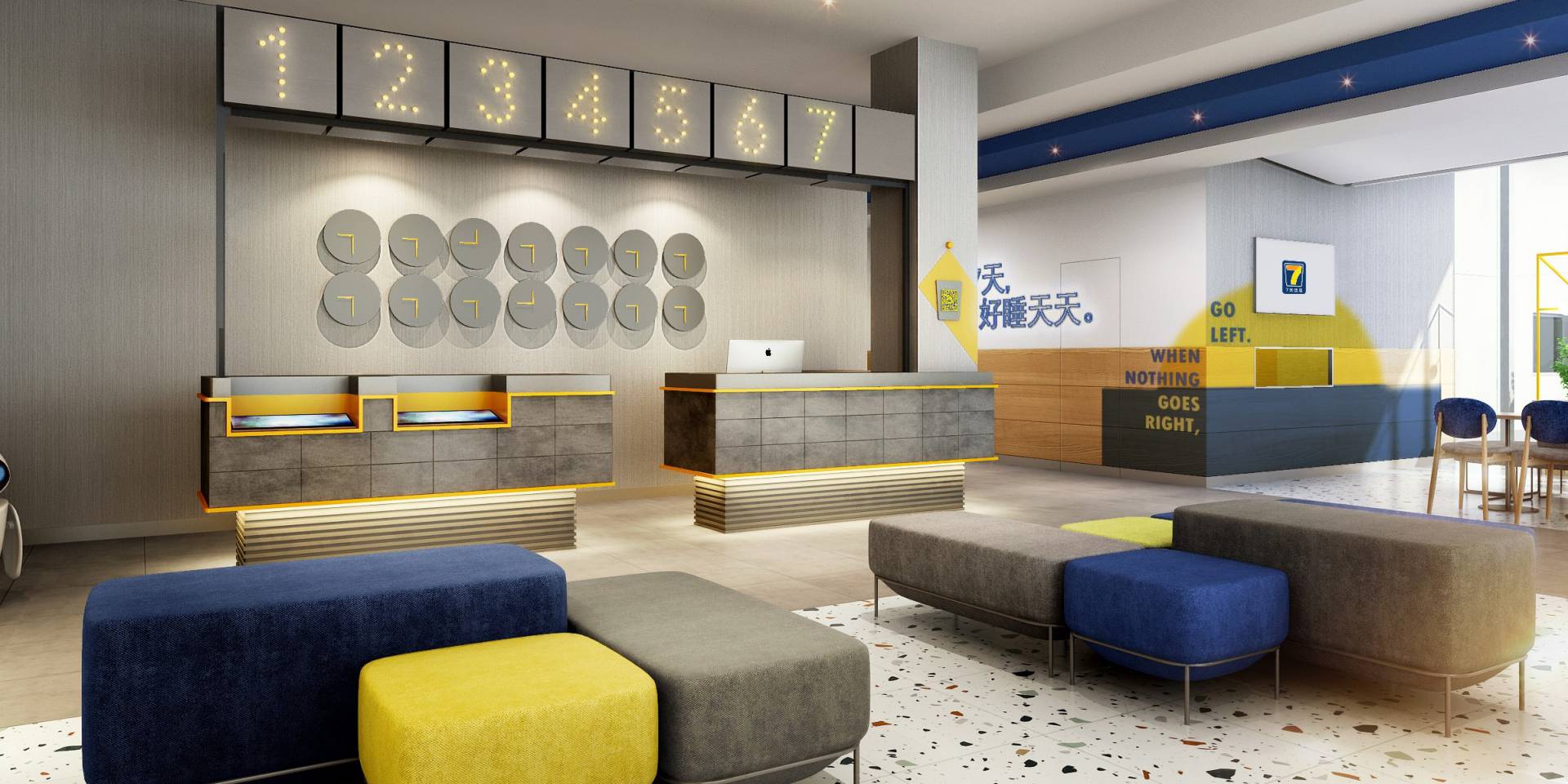
A national brand with nearly 3,000 hotels — “Seven easy days, great sleep every day” — with shell-and-core cost from CNY 49,800 per room and outstanding value overseas.

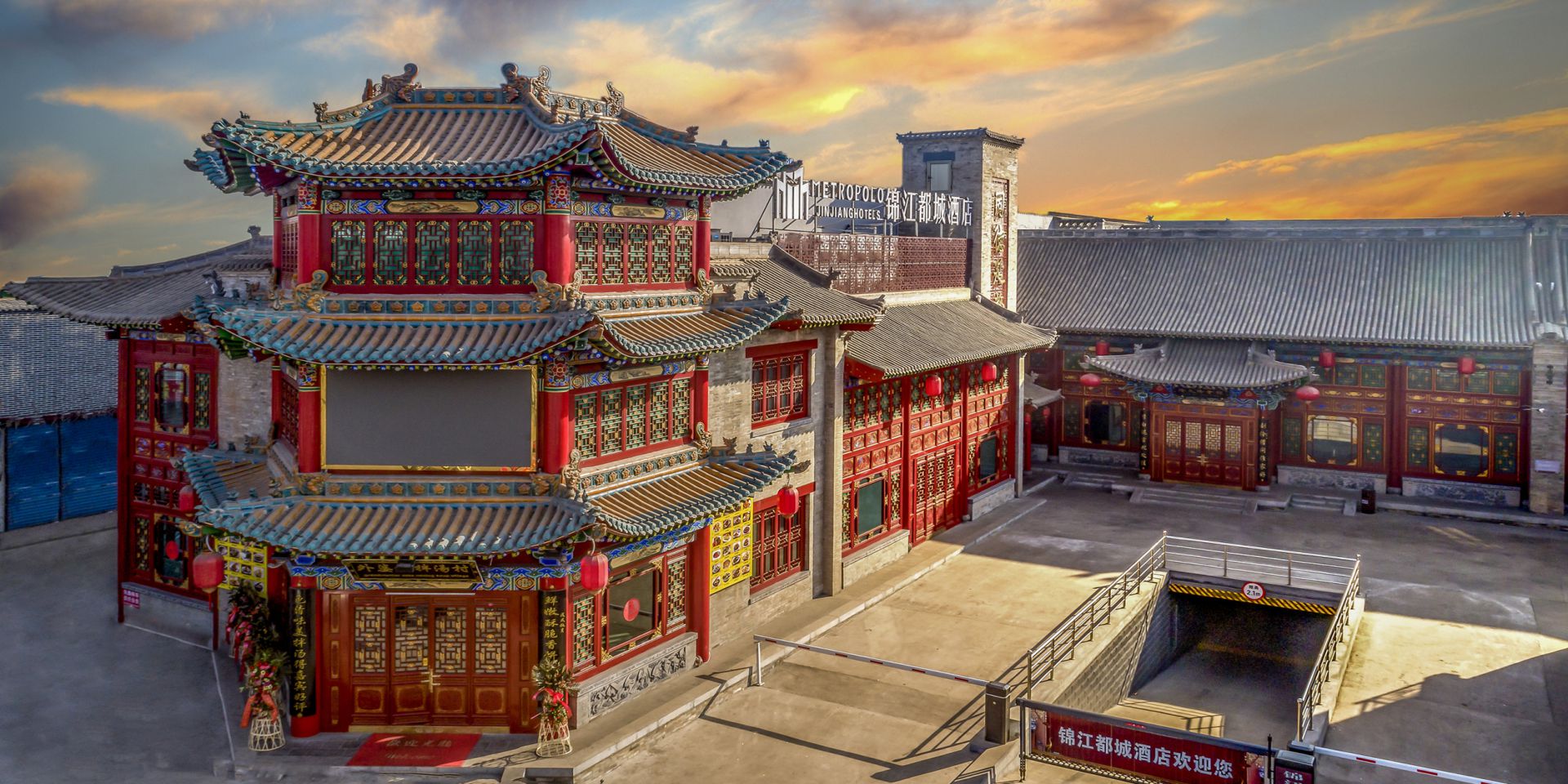
Descended from Shanghai's Metropolo Hotel of the 1930s, this is a Chinese business hotel brand with a century of pioneering culture — a city landmark in the making.

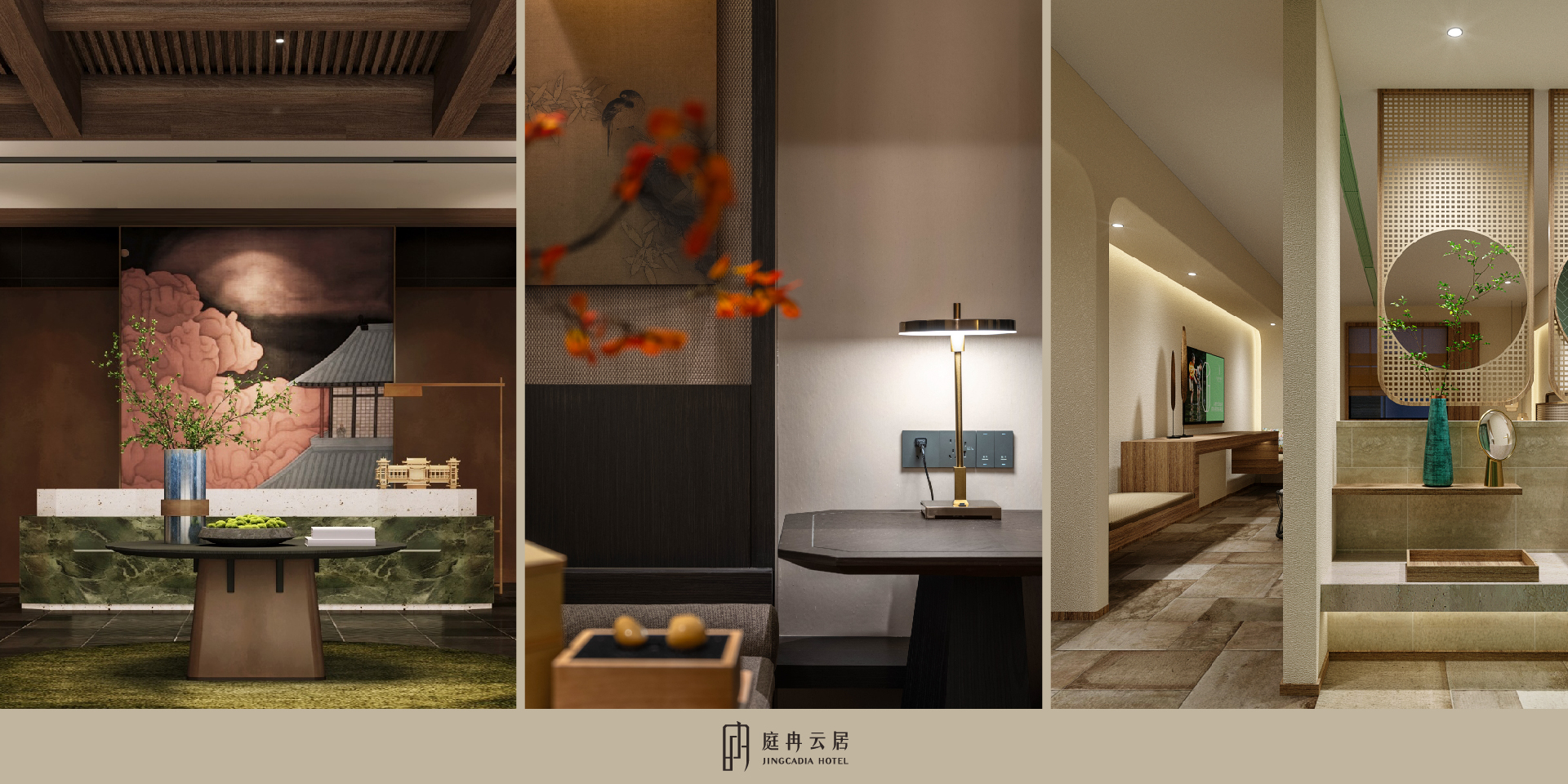
An urban resort hotel rooted in Eastern living culture, with a bespoke plan for every property that weaves in local heritage — a hidden haven amid the city.

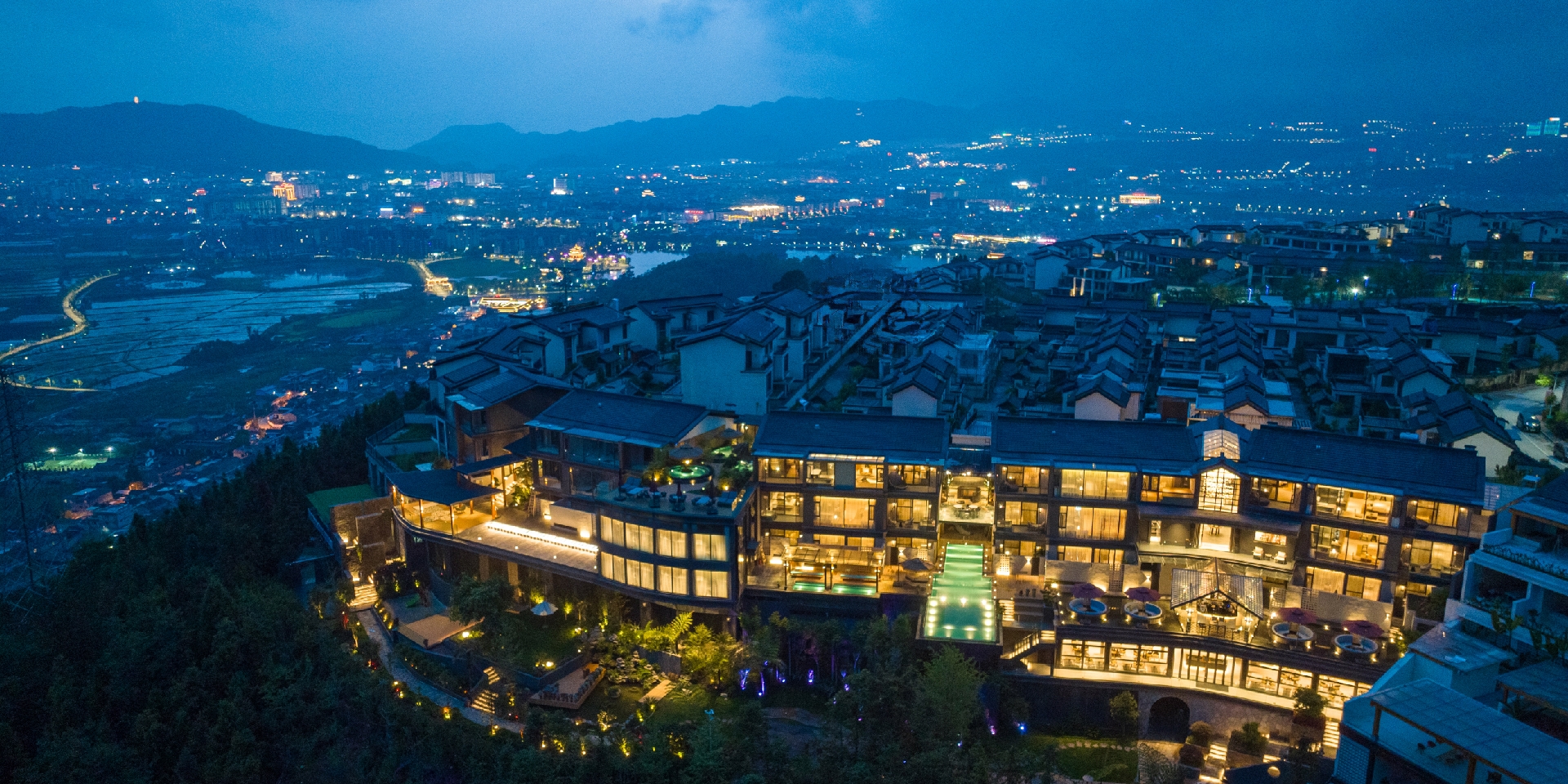
A luxury Oriental-zen brand created by the GIC Sino-French design team, with a ginkgo-leaf identity, rolling out across six Southeast Asian countries with RIYAZ Group.
Three decades of evolution have given China's hotel franchise industry a complete ecosystem loop of brand, membership, supply chain and digitalisation — a proven playbook that is now becoming the core competitive edge for expanding into Southeast Asia.

Jin Jiang Inn was born as China's first economy chain hotel. The “brand + chain + standard” model began to replace traditional guesthouses, and franchising took its first steps.
Consumption upgrading drove an explosion in midscale hotels. Jin Jiang acquired Louvre Hotels (France), Vienna, Plateno and Radisson, joining the world's top tier of hotel groups.
The industry shifted wholesale from owning heavy assets to asset-light franchising and management. Over 90% of new hotels opened by leading groups are franchised, and membership programmes passed 200 million.
With China entering a phase of fine-grained competition for existing stock, leading groups are going abroad together. Jin Jiang has announced its global strategy, with Southeast Asia as the core growth market and a five-year plan for 180 projects.
China's hotel CR10 keeps consolidating and chain penetration has passed 35%. Independent hotels are at a disadvantage on rent, guest acquisition and operating cost alike — which is why franchising is now the mainstream choice for investors.
The complete loop of property leasing, modular fast fit-out, branded management and digital operations keeps fit-out and procurement costs for Chinese-branded overseas hotels 15%–20% below local hotels.
Southeast Asia has 680 million people and a middle class growing about 8% a year, yet chain penetration is under 12% (under 10% in Indonesia) — much like China on the eve of its chain-hotel boom. This is the window to move.
Labour and rent in Southeast Asia run at only one-half to two-thirds of China's Tier 1–2 cities, while room rates for comparable products can reach 1.5–2 times domestic levels. Benchmark projects pay back in about three years, better than the four to five years typical in China.
Supply is dumbbell-shaped: expensive international five-star hotels at one end, ageing independent guesthouses at the other. Quality midscale chain supply is in serious shortfall — and every pain point in the traveller experience is a business opportunity.

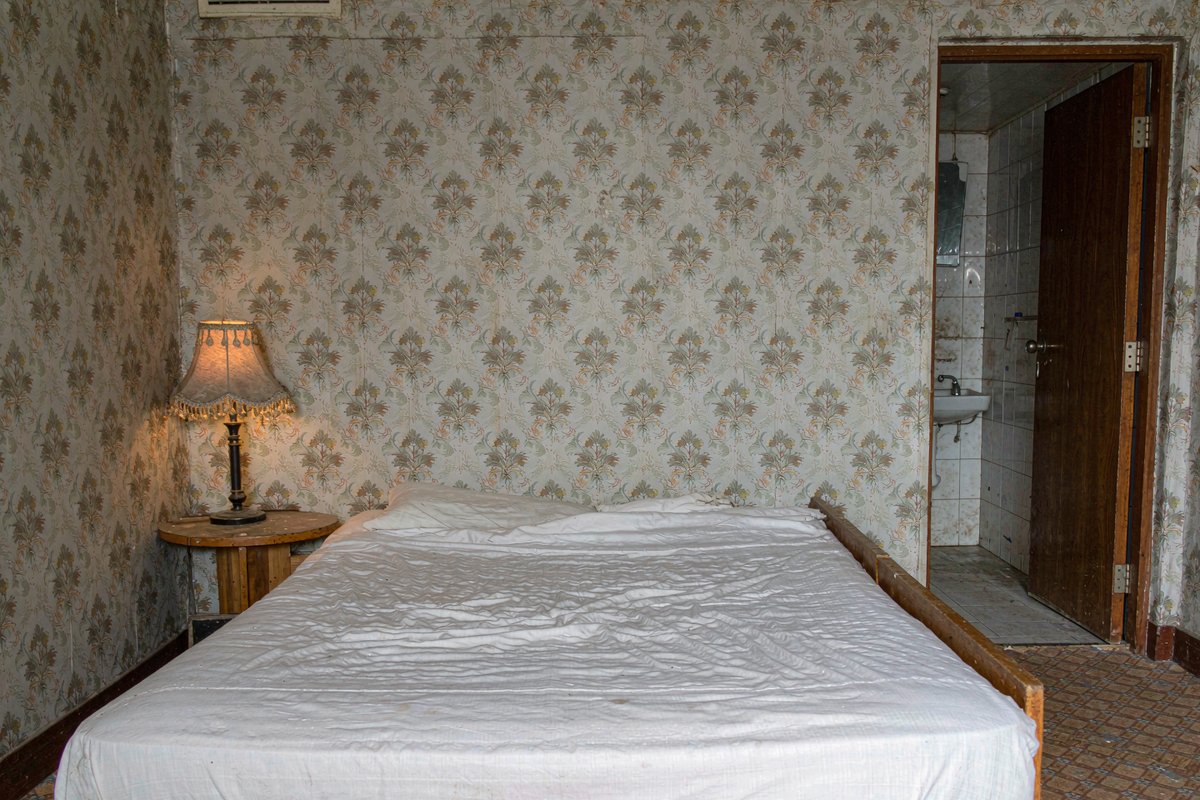
Many local independent hotels and guesthouses lack unified standards, with recurring issues around linen, cleaning and ageing facilities. Business travellers routinely gamble on what they will get.

Chain penetration under 12% leaves the market polarised: international five-star rates are steep, budget lodgings disappoint, and quality business-travel options in the CNY 200–600 band are scarce.

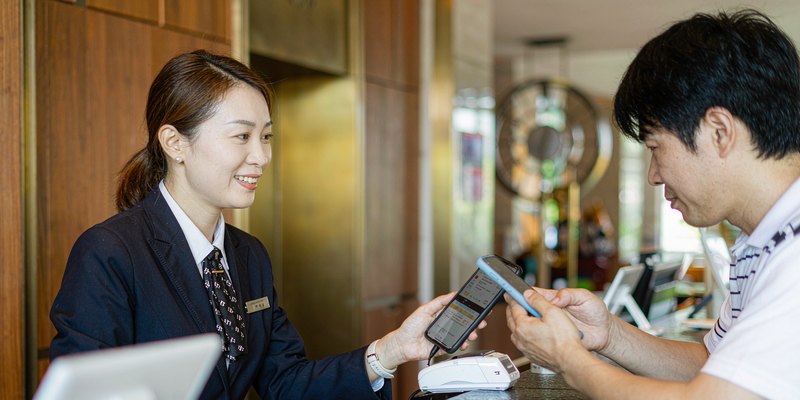
Most local hotels still rely on manual registration and cash payment, with no online room selection or self check-in — leaving Chinese and international business travellers without language support or digital convenience.

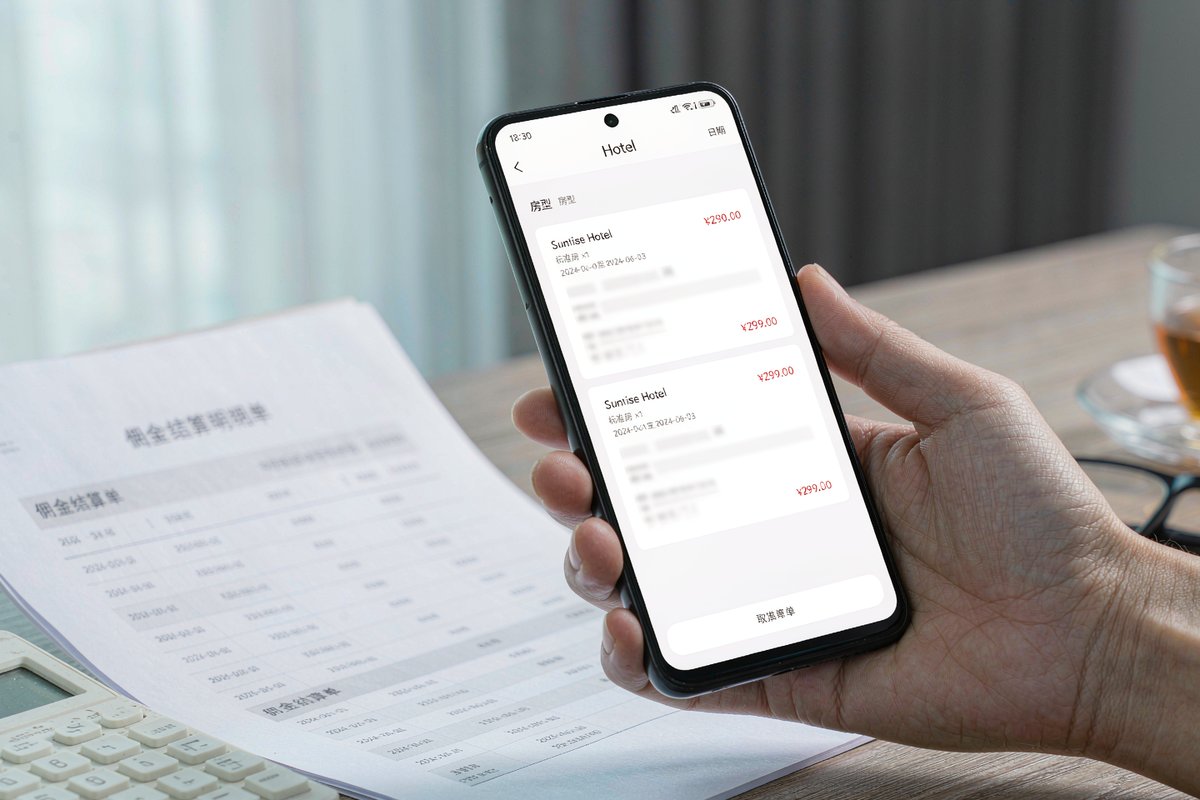
Independent hotels have no guest base of their own, and OTA commissions of 15%–20% eat the profit. Neither owners nor guests have any say over pricing or cancellation rules.

China has long been the largest source market for many Southeast Asian countries. Outbound business travellers and tourists naturally prefer a familiar, trusted Chinese chain — yet such supply is almost non-existent.

Local owner-operators lack revenue management, energy control and staff training systems. With poor resilience, their property value struggles to grow.
Total demand has recovered beyond pre-pandemic levels, the middle class is growing 8% a year and younger generations drive the upgrade. “Cheap” is giving way to “reliable and quality” — and the window for quality midscale supply is opening.
For the same ten million invested, running independently versus joining a franchise chain diverges on guest acquisition, cost, resilience and exit valuation — and the gap compounds. Franchising essentially replaces costly trial and error with a repeatedly proven system.

Building a brand from scratch takes three to five years, and the cold-start period drags both occupancy and rate down. Join Jin Jiang and on opening day you plug into 200 million members and the Chinese outbound travel pool — skipping the most expensive phase entirely.

Cost per room, pricing strategy, staff-to-room ratio, energy standards — all of it is honed across tens of thousands of hotels. The tuition you would pay building your own brand has already been paid for you.

A hotel is a physical asset that generates ongoing operating cash flow. A long lease, a brand and cash flow form a triple moat — a rare ballast in times of inflation and rate volatility.

Investors contribute capital and property; the brand delivers product, operations, revenue management and talent systems. You don't have to learn hotel management by making expensive mistakes.

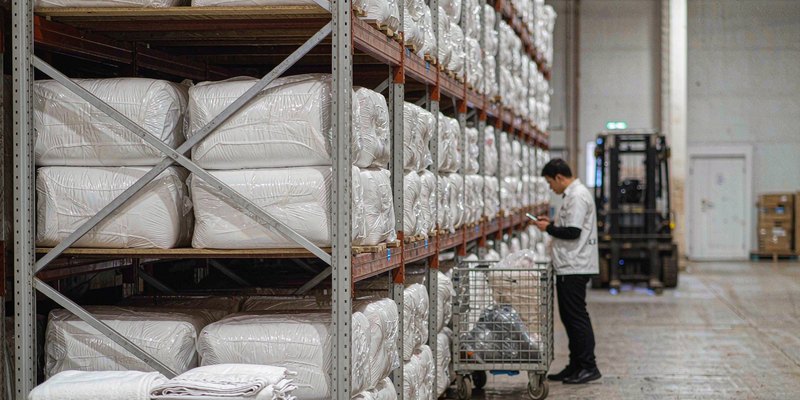
Purchasing at the scale of a global network makes building materials, linen and guest supplies 15%–20% cheaper than local single-hotel buying. The same rate, a thicker margin from day one.

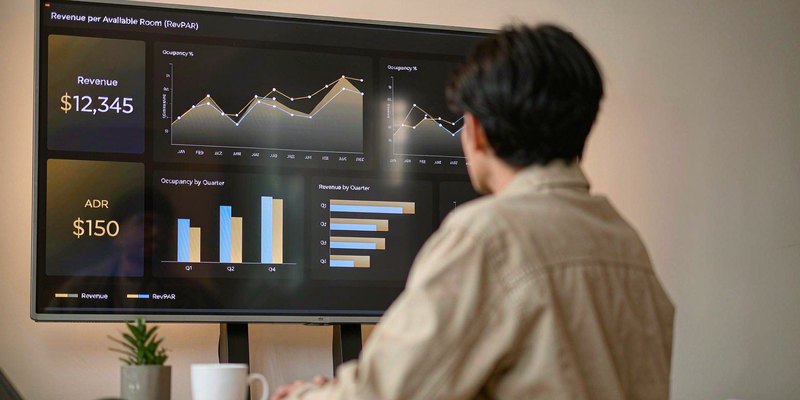
Rebranding lifts both RevPAR and property valuation. On exit, the asset is priced on brand plus cash flow rather than the residual value of equipment — hold for the long term or sell at a premium.
Investing in a hotel essentially means plugging into a profit operating system proven across 18,000+ properties.

Backed by the world's second-largest hotel group, the Jin Jiang brand carries nearly 90 years of heritage. Overseas projects arrive with trust built in and earn a premium from opening day.

200 million Jin Jiang Club members earn and redeem across borders, precisely channelling Chinese outbound business travellers and tourists — sharply reducing OTA reliance and acquisition cost.

Purchasing at the scale of a global network cuts building materials, linen and guest supplies 15%–20% below local buying, lowering cost in both the build and the operating phase.

Proprietary PMS, revenue management, energy control and online OTA operations fill the digital gap left by local small and mid-sized hotels, with industry-leading staff-to-room ratios.

The three-in-one model of "brand output + localized operation + supply chain expansion overseas", with offices in three locations and fully staffed teams, ensures one-stop service;

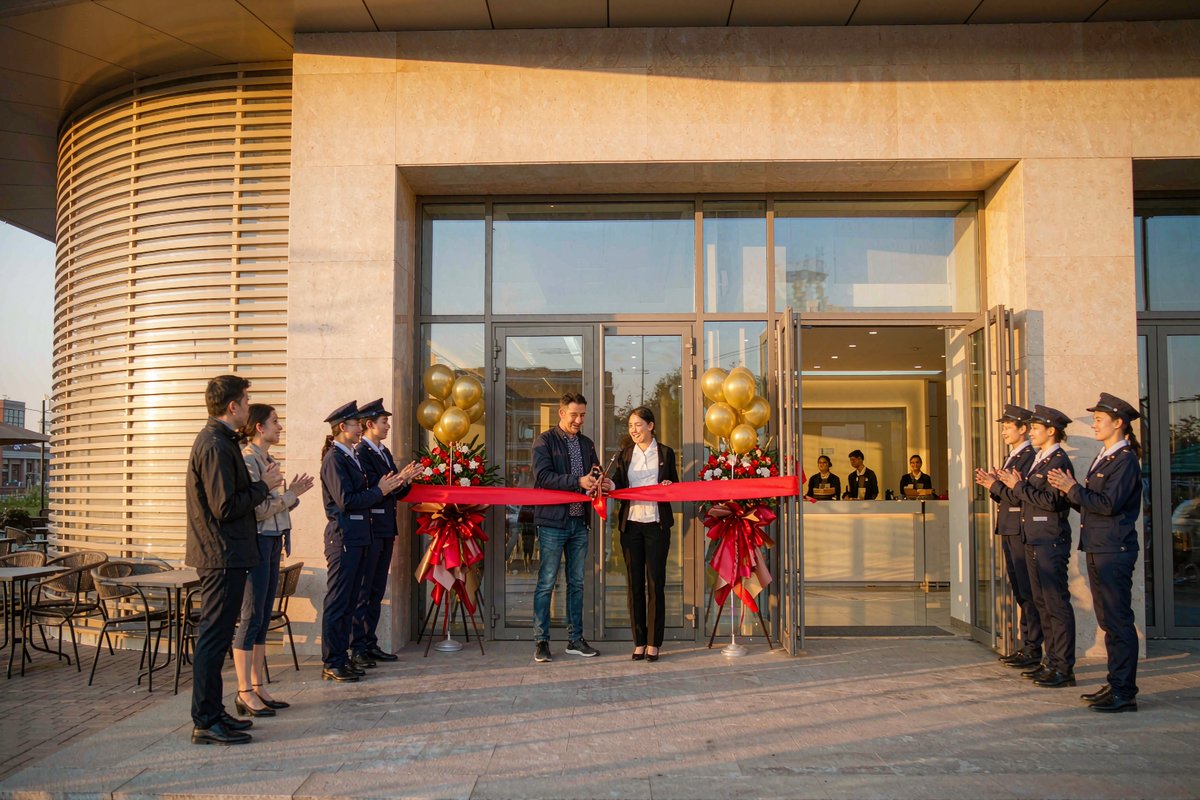
From site assessment and investment modelling through design, construction, opening and operations to asset exit — a full-lifecycle service that keeps every decision grounded in data.
The most common questions about franchising hotels in Southeast Asia, answered officially — questions mirror real searches, answers come with data.
Total investment depends on the brand and room count: Jin Jiang Inn costs CNY 80,000–100,000 per room; 7 Days Inn CNY 50,000–70,000 (from CNY 14,800 per room for a light renovation); Lavande CNY 120,000–140,000; Renjoy CNY 150,000–180,000; Metropolo Jin Jiang CNY 180,000–220,000; and Ginco CNY 240,000–280,000. A 120–150 room hotel therefore requires roughly CNY 5.5–38 million. Use the ROI Calculator on this site to choose a brand, city and room count for a personalised estimate.
Three basics: (1) Property — meeting the brand's requirements on site area, room count, location and lease term (Jin Jiang Inn, for example, needs a site area of ≥ 3,500 sqm, ≥ 80 rooms and a lease of ≥ 10 years); (2) Capital — own funds ≥ 40% of total investment and no major record of dishonesty; (3) Entity — a locally compliant operating entity. The process has five steps: online enquiry → project assessment → agreement and licence → design and construction → opening and operations.
Bangkok, Kuala Lumpur and Ho Chi Minh City form the first tier, with occupancy around 70%–75% and a large shortfall in quality midscale supply. Jakarta, Hanoi and Manila are the high-growth tier. Singapore has high room rates but expensive property acquisition, while emerging markets such as Phnom Penh suit early positioning. For a first move into the region, focus on business districts and areas where Chinese corporates cluster.
Based on Jin Jiang's opened projects and public market data, benchmark Southeast Asian projects have a static payback period of about 3 years — better than the 4–5 year average for comparable hotels in China. The main reason: labour and rent costs in Southeast Asia are only one-half to two-thirds of those in China's tier-1 and tier-2 cities, while room rates for comparable products can be 1.5–2 times higher.
Six brands span economy to luxury: Jin Jiang Inn (economy · entry point), Lavande Hotels (midscale · flagship), 7 Days Inn (economy · national icon), Metropolo Jin Jiang (upper-midscale · century-old classic), Renjoy Hotel (upper-midscale · urban resort) and Ginco Hotel (luxury · Oriental Zen). Each has its own section with a product showcase and entry requirements.
Yes. You can choose the managed-operations model, in which the head office places a general manager and supplies operating standards, revenue management and talent systems, leaving you responsible only for capital and the property. Alternatively you can franchise and operate independently with head-office supervision. Most investors within the Jin Jiang system come from other industries — this division of labour is precisely the value of franchising.
Six forms of support: (1) brand equity — backed by 18,200+ hotels worldwide; (2) cross-border traffic from 200 million Jin Jiang Hui members; (3) a global centralised supply chain cutting purchase costs by 15%–20%; (4) proprietary PMS and revenue-management digital operations; (5) localisation support with partners such as Malaysia's RIYAZ Group; (6) full-lifecycle investment services from site assessment through to asset exit.
Chain penetration in Southeast Asia is below 12% (under 10% in Indonesia), far behind China's 35%+. The region has 680 million people and a middle class growing at about 8% a year, yet quality business-travel supply in the CNY 200–600 range is severely scarce. The market structure resembles China just before its chain-hotel boom, and Jin Jiang has announced a five-year plan to open 180 projects across Southeast Asia.
They follow the brand's standard rates: a one-off franchise fee (payable on signing) plus an ongoing brand management fee (a percentage of revenue). Exact terms are set out in the Brand Licence Agreement; your franchise advisor will provide a full fee schedule during project assessment. Calculator results exclude taxes and case-specific variations.
Submit your interest through the “Get in Touch” form on this site. A dedicated franchise advisor will contact you within one business day with market data and policy-compliance guidance for Southeast Asian countries, a site assessment for your target city, and a brand-tailored Project Investment Analysis Report.