“Inheriting Eastern living culture, creating an urban life of ease” — a hidden haven in the heart of the city
Renjoy blends Eastern aesthetics with contemporary art and designs each property individually around its city's landscape and heritage, giving an urban hotel resort character — precisely the scarce supply Southeast Asia's tourism boom needs.
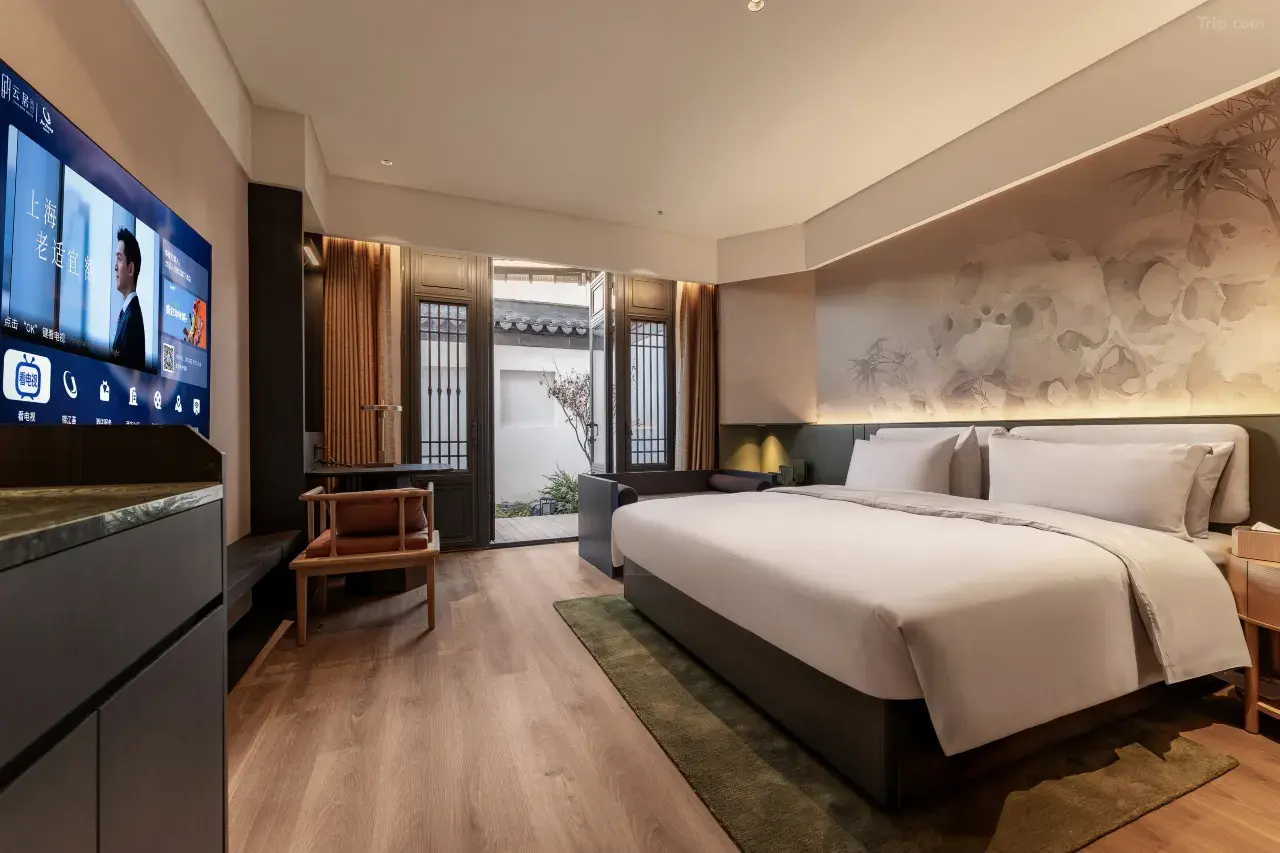
Upscale rooms that fuse local cultural motifs with Eastern aesthetics and full smart-room controls, turning a hotel stay into a stay inside a city's cultural lineage.
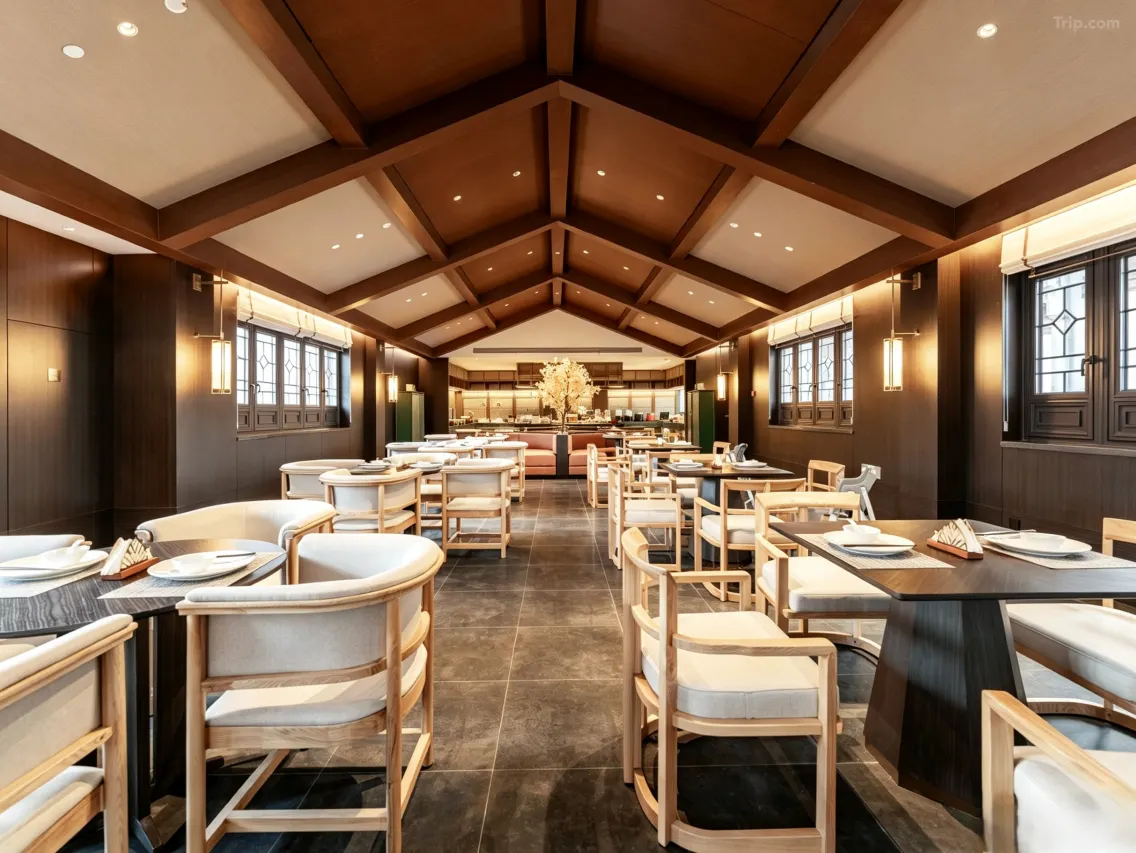
A social space bringing together local specialities and signature Eastern and Western drinks — a dual engine for non-room revenue and guest experience, with strong social-media appeal.
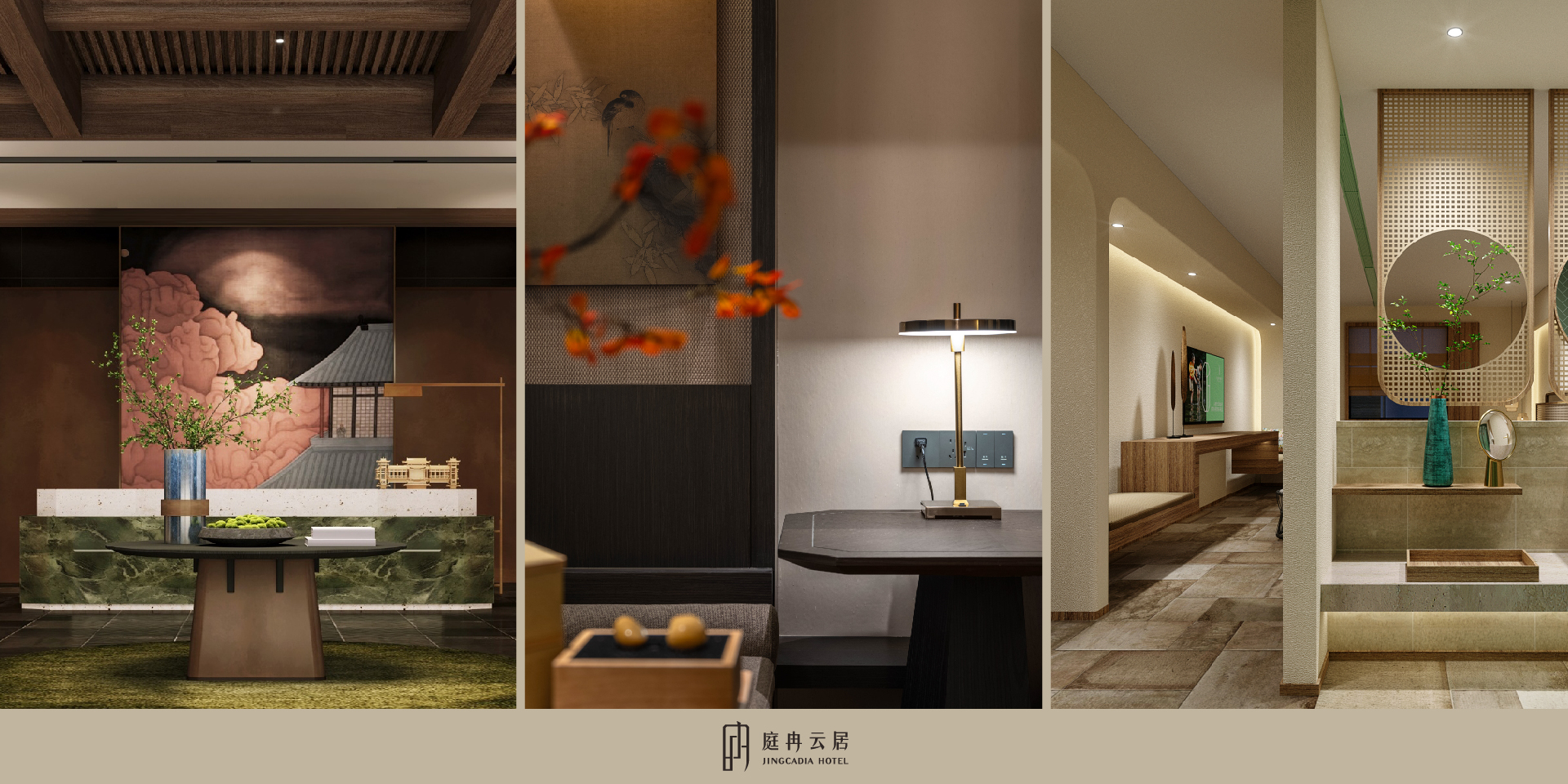
Business, family, honeymoon, reading, tea-tasting and folk-culture modules combine flexibly to suit each property, matching Southeast Asia's fast-growing family and cultural travel segments.
The upper-midscale resort positioning suits urban cultural districts and suburban resort belts across Southeast Asia — a high-premium choice for properties with tourism resources.
| Site area | ≥ 6,000 sqm (including guest rooms, public areas and back-of-house) |
| Guest rooms | ≥ 90 rooms, 100–160 recommended |
| Location | Urban cultural districts, suburban scenic areas, or plots with river, sea, lake or waterway views |
| Building type | A standalone building with potential for courtyard and terrace resort spaces |
| Lease term | Recommended ≥ 12 years, including a rent-free fit-out period of ≥ 6 months |
| Facilities | Space for an all-day dining restaurant of ≥ 150 sqm and a lounge bar; compliant water, power and fire-safety systems |
| All-in cost per room | CNY 150,000–180,000 (including fit-out, FF&E and OS&E amortisation) |
| Total investment reference (120 rooms) | approx. CNY 20.0–25.0 million (including pre-opening costs) |
| Reference ADR | Southeast Asia: CNY 450–650 / night (varies by city and resort resources) |
| Product model | A bespoke plan per property + six creative modules: business, family, honeymoon, reading, tea-tasting and folk culture |
| Cooperation model | Franchise / managed operations |
| Capital requirement | Investor's own funds ≥ 40% of total investment; tourism and cultural resources preferred |
Submit your interest; an advisor responds within 1 business day
Property due diligence + tourism-resource appraisal + investment modelling
Brand licence agreement + design brief for the bespoke property plan
Locally inspired bespoke design + modular construction + centralised procurement
Resident general manager + butler service + member traffic
The most frequently asked questions about franchising Renjoy Hotel in Southeast Asia, answered officially.
CNY 150,000–180,000 per room all-in (including fit-out, FF&E and OS&E amortisation), with a 120-room hotel costing about CNY 20.0–25.0 million including pre-opening costs — the baseline investment for an upper-midscale urban resort brand.
Site area ≥ 6,000 sqm; ≥ 90 rooms (100–160 recommended); located in an urban cultural district, a suburban scenic area, or on a plot with river, sea, lake or waterway views; a standalone building with potential for courtyard and terrace resort spaces; a recommended lease of ≥ 12 years.
A reference ADR of CNY 450–650 per night, varying by city and resort resources — in Southeast Asia's upper-midscale leisure price band.
Renjoy designs each hotel around its city's natural landscape, history and folk culture, then combines six creative modules — business, family, honeymoon, reading, tea-tasting and folk culture — flexibly, so every property has its own local identity.
Two types of resource: first, core urban cultural districts (Bangkok's old town, George Town in Penang, Hanoi's Old Quarter); second, suburban coastal, lakeside and mountain resort belts (Bali, Nha Trang, the Chiang Mai outskirts), where the resort premium is pronounced.
The standard build period is about 8–10 months. Because the bespoke plan involves locally tailored cultural design, the design phase runs slightly longer than for a standard midscale brand. The head office provides end-to-end construction supervision and a centralised supply chain.